Director’s Statement
As an Australian-born, Samoan and Chaldean filmmaker raised in New Zealand but never having travelled to Samoa until I was 23, I always felt a strong disconnect from my heritage. Growing up, I questioned why we never had our own cultural stories to share and wondered why my grandparents' generation would call our pre-colonial history "the dark times." I have always been in search of identity: is who we are today the true version of us, or is it our past ancestral identity that's true? And if there's a gap between the two, what does that mean for where we're headed?
I don't think any single film answers that question. But I've spent my career trying to find the thread that connects our modern Pacific lives back to that pre-colonial past, the parts that survived, the parts that were severed, and the parts still being decided. In that search I eventually came across Siva Afi in my early years of beginning filmmaking.
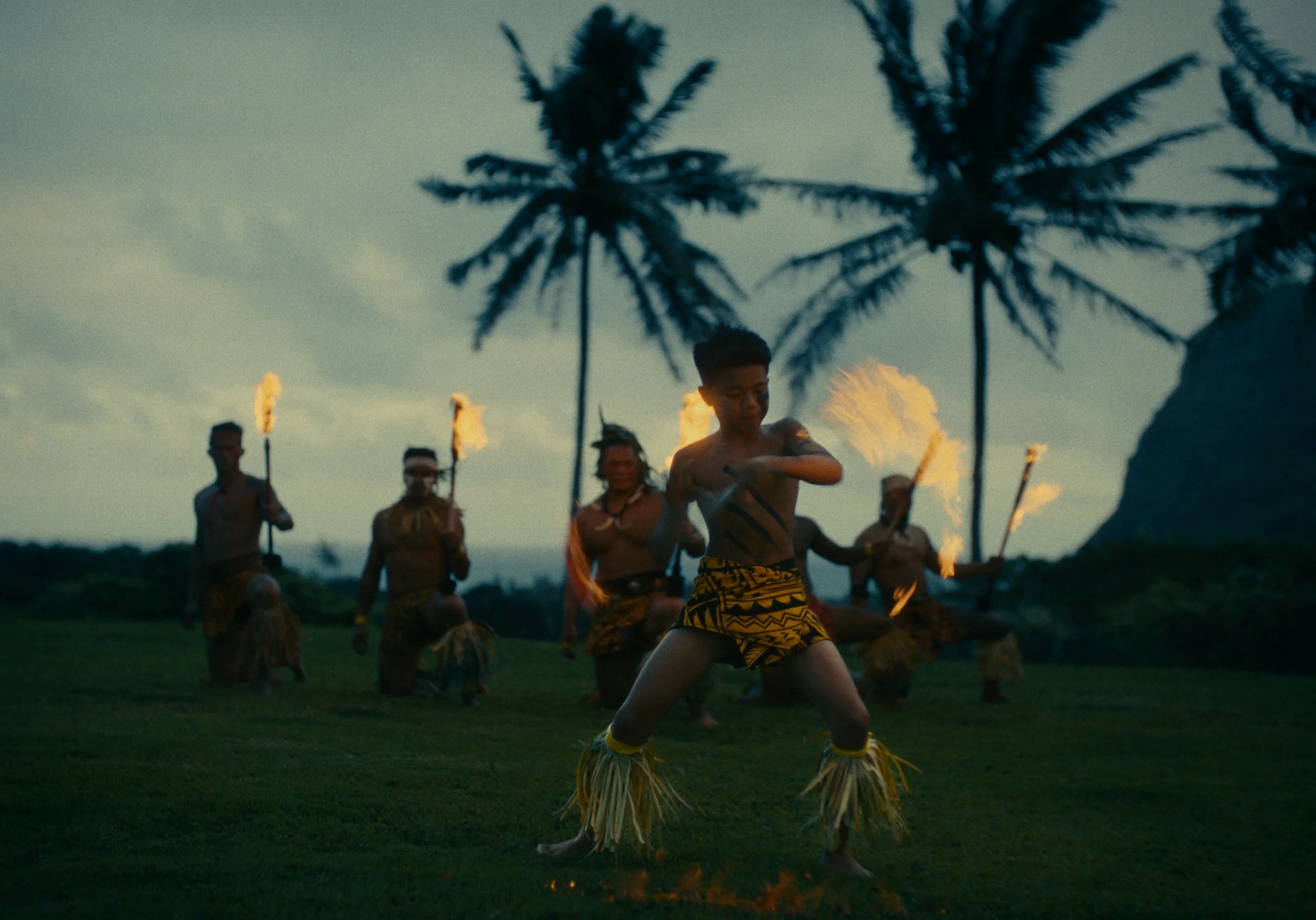
I spent three years in the Siva Afi community, filming short-form videos of practitioners for their exhibitions. What stuck with me was a conversation with some of the younger members. I asked if they knew the history of Siva Afi and where it had begun. To my surprise, they didn't know it originated from their own Samoan culture and thought it was something that had always existed. I remember the intrigue in the young boys' eyes as though I had the answer waiting, to which at the time I didn't.
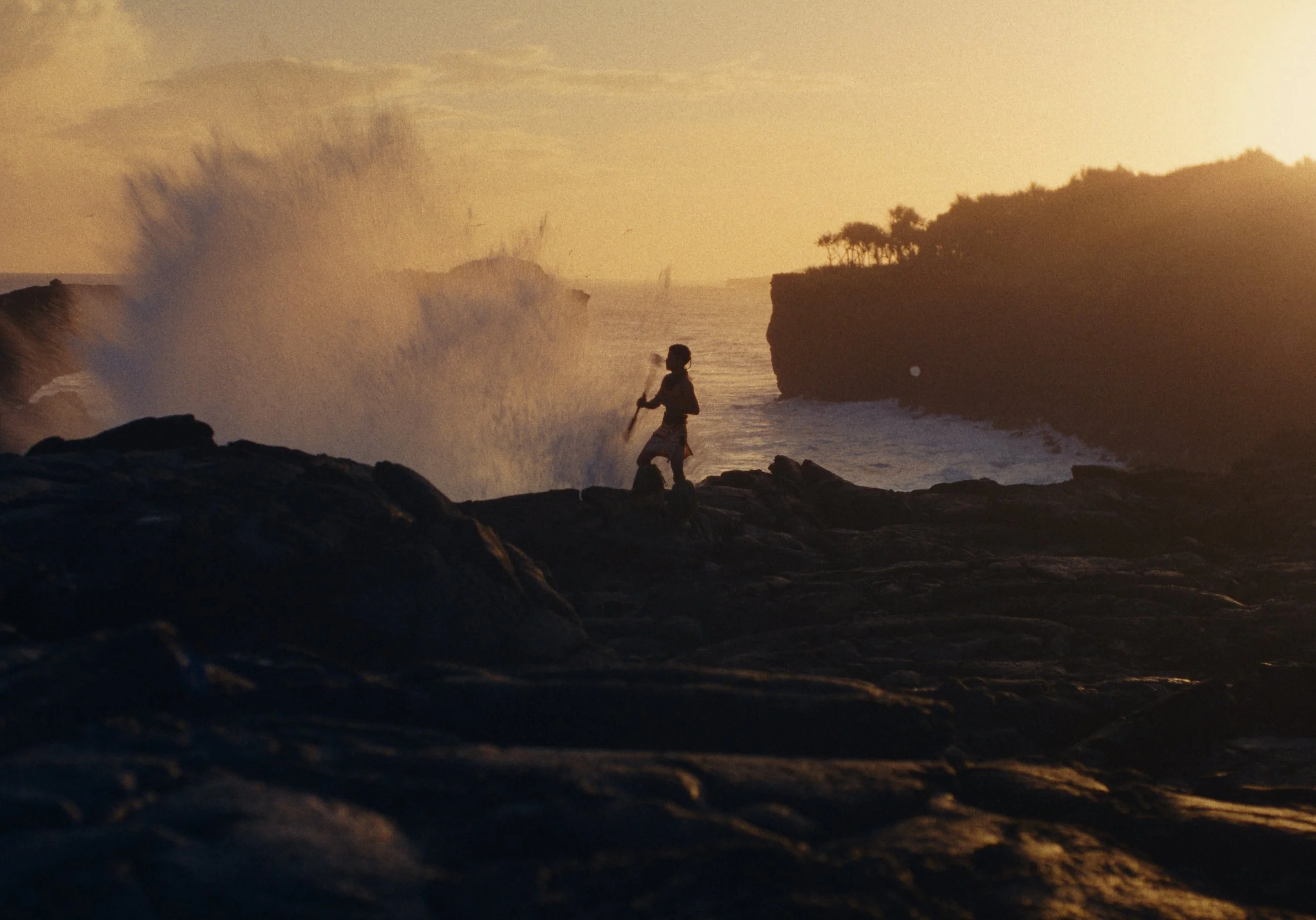
That gap between practicing a tradition and knowing where it came from is what sent me looking for the pioneers. I found Lino Sanft, a man who had lived and breathed Siva Afi since he was two years old. Lino was a judge at the world fire knife championships in Hawai'i and had now settled into a quiet life in the far North of Aotearoa. Sitting with Lino opened a curiosity I kept exploring through Samoa, Hawai'i, and eventually American Samoa. At each stop I found the same practice carrying a different meaning depending on who held it: a way of life, a path back to language, a stage for excellence, a fight for the right to belong to it at all.
I felt the film needed to be told through chapters rather than a single mosaic. Each person revealed another facet of the flame, while the practice itself became a metaphor for Samoans in the diaspora navigating a world where modern life can outpace tradition.
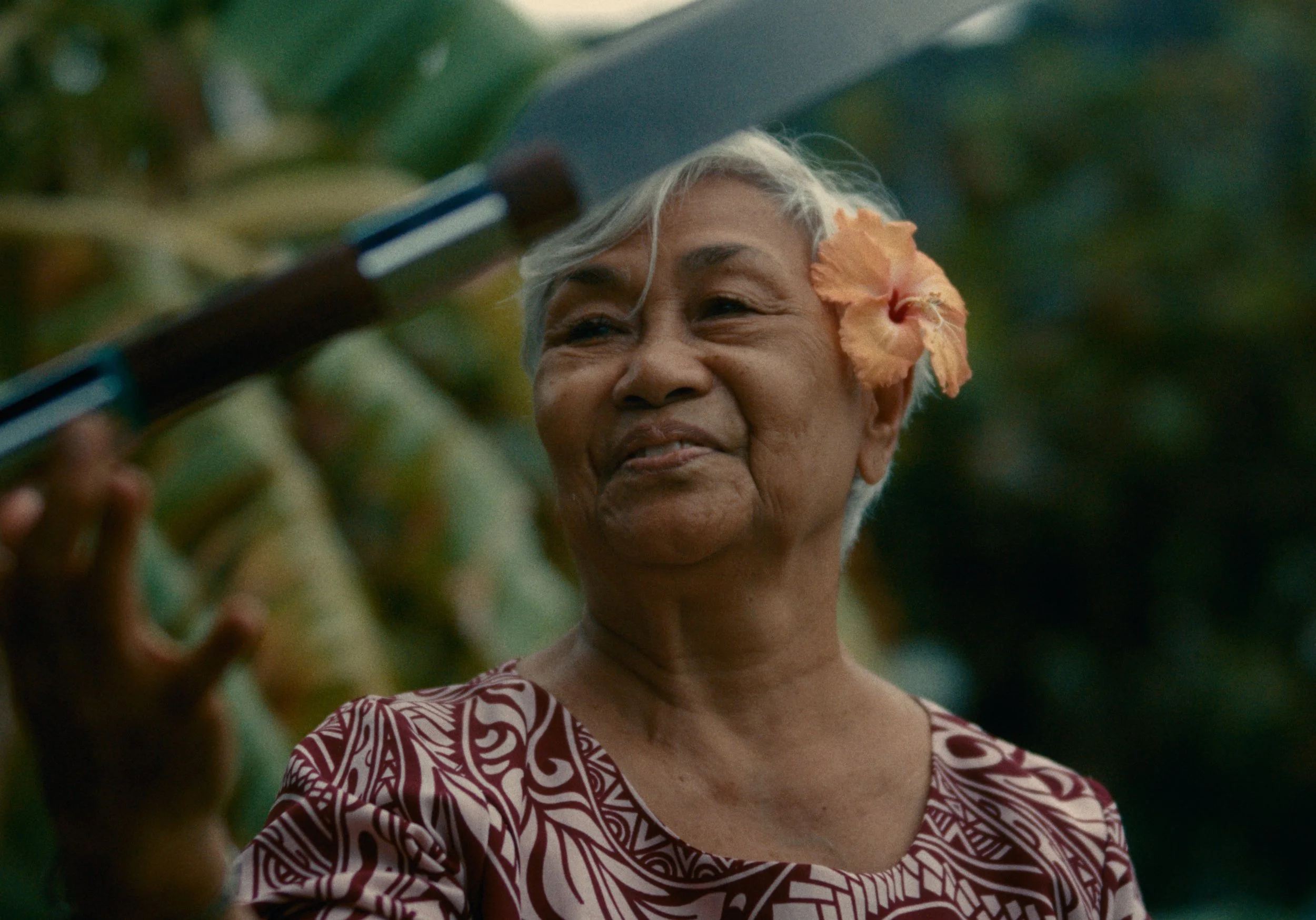
The film closes where the practice itself began. In American Samoa I connected with Patricia Letuli, wife of the late Olo Freddie Letuli, paramount high chief in Tutuila and the man credited with transforming the ancient war dance ailao into Siva Afi by adding fire to the knife in the 1940s. It was a privilege to be invited into her home by the sea to hear her reflections. Her stories offered an intimate perspective on Freddie beyond his public legacy and gave the film its closing thought: that his hope was always for the next generation to carry the dance forward, add to it, but never lose its Polynesian essence.
In meeting this wider community, sitting with them and learning their stories, I found a part of myself reconnecting with the very heritage I had always felt disconnected from. Siva Afi didn't answer my question, but it showed me where to keep looking. Not in choosing between who we were and who we are now, but in the people like Loso and Moemoana, still actively keeping the practise alive. Whether through spinning fire or being behind the camera, we all have a role in carrying the flame forward.
— BM